
We have all visualized the ideal outcome of a community project: a vibrant, bustling park filled with laughter and activity. Yet, behind those glossy catalog renderings lies a complex manufacturing reality that determines whether your investment lasts for two decades or requires replacement in just two years. While the aesthetic appeal draws people in, the engineering hidden beneath the surface dictates the longevity and reliability of the entire installation.
Buying outdoor amusement equipment isn’t like ordering furniture; it is an investment in public safety and long-term maintenance. Industry data reveals that the initial purchase price often represents only a fraction of the total expense over the equipment’s lifespan, a concept known as Total Cost of Ownership. When a manufacturer cuts corners to offer a lower sticker price, the savings usually vanish quickly once rust appears or safety certifications for amusement equipment are called into question.
Choosing the right partner is the most critical decision you will face. This outdoor amusement equipment manufacturer guide for buyers transforms technical specifications into a clear, actionable vetting process. By performing a proper commercial amusement equipment brands comparison, you ensure your project remains a safe community asset rather than becoming a financial liability.
Commercial Grade vs. Residential: Why $5,000 ‘Deals’ Often Cost Double in Repairs
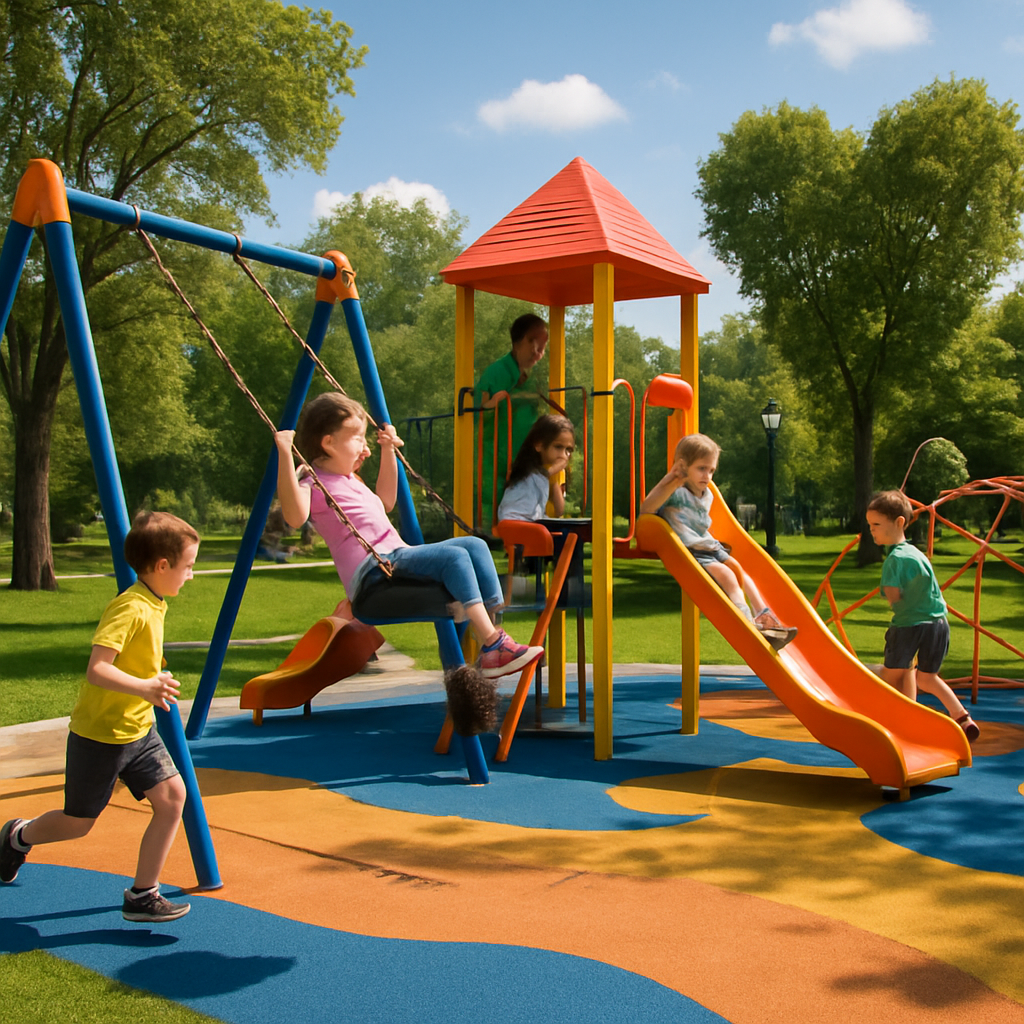
It is tempting to look at a large backyard playset and wonder why a commercial version costs significantly more when they appear identical from the curb. However, the difference lies in traffic volume and liability. While a residential set is designed for a single family playing occasionally, commercial playground equipment must withstand the abuse of hundreds of users daily. If a structure isn’t built for that specific load, “saving money” upfront usually leads to total replacement costs within two years.
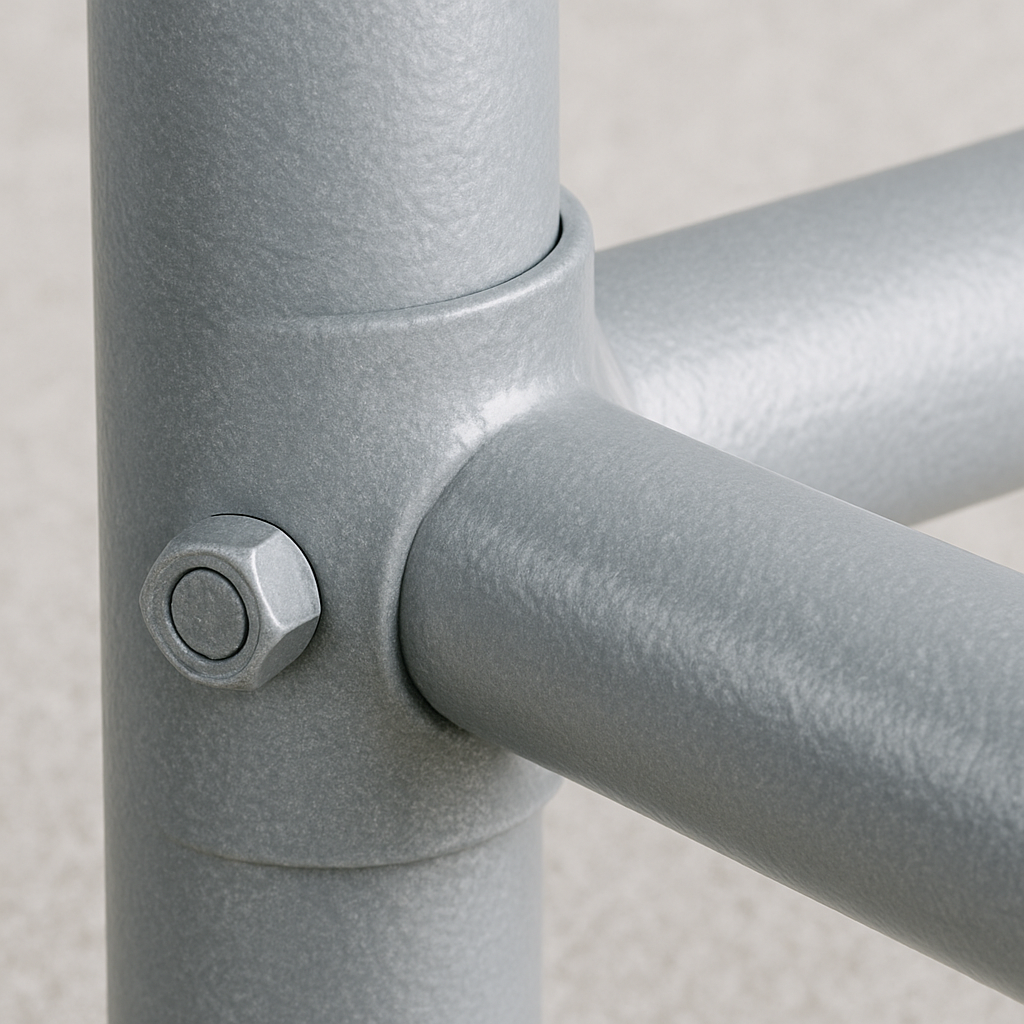
True durability depends on the skeleton of the structure. In manufacturing, steel thickness is measured in “gauge,” where a lower number indicates a thicker, stronger wall. Residential sets often use thin 18-gauge steel, whereas commercial grade requires 11 or 12-gauge tubing to prevent buckling under adult weight. Furthermore, professional units utilize tamper-resistant hardware. Unlike standard bolts, these recessed connections prevent vandalism and eliminate dangerous “snag points” that catch on loose clothing—a major safety hazard.
Before signing a contract, verify these technical indicators of quality:
- Steel Strength: Look for 11-gauge or 12-gauge structural posts rather than thinner 16-plus gauge tubing.
- Hardware: Ensure connections use tamper-proof, stainless steel bolts.
- Plastics: Confirm components use UV-8 rated rotomolded plastic to prevent sun damage.
- Load: Check that platforms support at least 100 lbs per square foot.
Once you have verified the structural thickness, ensure the metal itself can fight off the elements.
The Durability Duel: Why Galvanized Steel and UV-Stabilized Plastics Are Non-Negotiable
Even thick steel is useless if it corrodes from the inside out. To ensure weatherproof coatings for outdoor attraction longevity, ask your manufacturer if they use “hot-dip galvanization.” Unlike standard spray paint, this process submerges the metal in molten zinc, creating a chemical bond that acts as a self-healing barrier against rust. If the surface is scratched during play, the surrounding zinc effectively sacrifices itself to protect the steel underneath, a critical defense that standard cosmetic paint cannot offer.
Sunlight is just as destructive as rain, often turning vibrant equipment into faded, brittle eyesores within a few seasons. High-quality manufacturers utilize High-Density Polyethylene (HDPE) compounded with a UV-8 stabilizer. This acts as mixing industrial-strength sunscreen directly into the plastic formula rather than applying it as a topcoat. This material durability for outdoor entertainment facilities ensures that a slide remains bright and flexible after years of exposure, rather than cracking under the weight of a user.
Selecting the right sustainable materials for outdoor recreational spaces ultimately requires matching components to your specific local climate. Use this reference to evaluate manufacturer specifications:
- Hot-Dip Galvanized Steel: Best for heavy-load structural frames; prevents internal rust.
- Powder-Coated Aluminum: Lightweight and naturally rust-proof; ideal for decorative caps or coastal areas.
- UV-Stabilized HDPE: The gold standard for panels and slides; prevents sun fading and brittleness.
With the equipment built to withstand the elements, ensuring it is certified safe for human use is the next priority.
Decoding ASTM and EN 1176: Your Shield Against Liability and Accidents
A sturdy slide is worthless if the angle sends a rider down too fast or if a railing gap creates a trap for small fingers. ASTM and EN 1176 safety standards compliance becomes your most critical asset here. These rigorous international benchmarks dictate every engineering detail, from structural integrity to the “Fall Zone”—the mandatory cushioned space required around equipment to absorb impact. These standards are the building codes for fun; they are essential rules that keep users safe and protect your organization from significant liability.
Trusting a manufacturer’s self-declaration of safety, however, is a risky strategy. Many suppliers claim their equipment is “compliant,” which often means they simply believe they followed the rules without proof. To truly master how to vet outdoor playground equipment suppliers, you must demand validation from an accredited third-party laboratory like SGS or TÜV. These independent labs physically test the products, ensuring that electrical components have a sufficient IP Rating (protection against dust and water intrusion) and that structural loads meet the required limits.
Before signing any contract, verify the manufacturer can provide this documentation package:
- Current Certificates: Ensure testing dates are within the last two years.
- Model Matching: The certificate ID must match the specific model you are buying.
- Fall Zone Diagrams: Clear layouts showing required clearance space.
- Lead-Free Reports: Lab results confirming paints are non-toxic.
- IP Ratings: Proof of weatherproofing for any electronic components.
Establishing this safety baseline offers more than just peace of mind; it provides the secure foundation needed for creativity. With the legal and physical safety certifications for amusement equipment confirmed, you can confidently move to the next phase: working with designers to shape your unique vision into a manufacturable reality.
From Sketch to Slide: Navigating the Custom Amusement Park Ride Design Process
Transforming a rough sketch into a tangible attraction begins with the custom amusement park ride design process, where manufacturers use Computer-Aided Design (CAD) to create a digital blueprint of your project. This phase serves as your primary safeguard against installation errors; it allows you to visualize sightlines for supervision and verify traffic flow before any steel is welded. Treat the 3D model review as a “digital dress rehearsal,” using it to ask critical questions about how the structure fits within your specific landscape and user capacity needs.
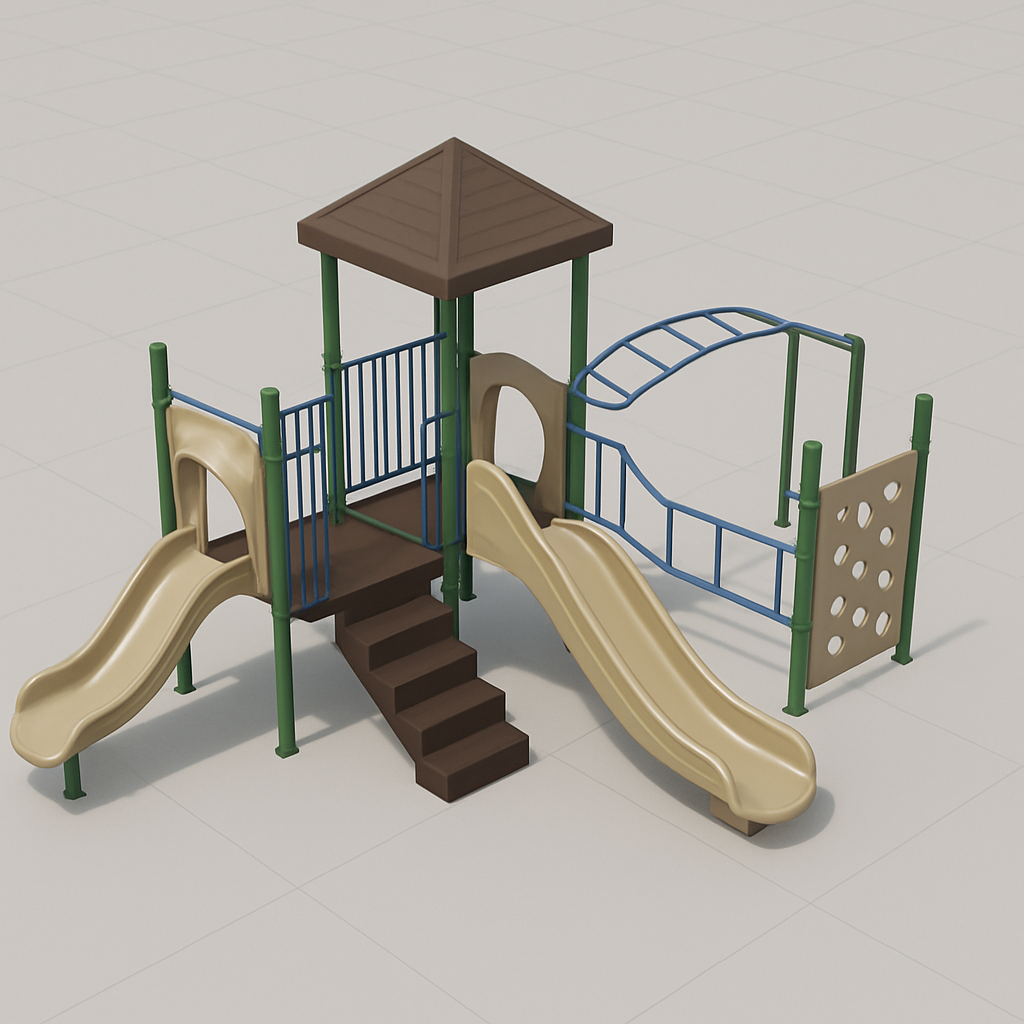
Effective space planning for large-scale outdoor rides involves much more than simply fitting equipment into a lot. A common error is overcrowding, where eager buyers pack too many features into a limited area, compromising the mandatory safety buffers required for clearance. High-quality designers will prioritize these “circulation zones” over density, ensuring parents have standing room and children can move freely without collision. If a supplier accepts every design change without warning you about potential entrapment risks or clearance violations, take it as a red flag regarding their engineering integrity.
While standard outdoor amusement equipment might ship quickly, bespoke designs extend fabrication schedules to account for custom molding and color curing. Understanding these production realities prevents frustration, yet even the best-laid plans rely on getting the product delivered intact.
The Global Buyer’s Checklist: Importing Requirements and Factory Inspection Secrets
Shipping heavy steel across the ocean feels daunting, but understanding the financial breakdown prevents budget shock. Many first-time buyers fixate on the factory price, ignoring the “Landed Cost”—the true total that includes freight, local taxes, and marine insurance. When negotiating, clarify the Incoterms (International Commercial Terms), which act like the “rules of the road” for liability. A term like “CIF” (Cost, Insurance, and Freight) means the supplier manages the shipment to your nearest port, whereas “FOB” (Free on Board) leaves the complex logistics entirely up to you once the cargo leaves the factory.
Distance shouldn’t stop you from auditing manufacturing quality. Since a physical visit is often impractical, request a live video walkthrough to inspect weld bead integrity. High-quality welds resemble a “stack of dimes”—smooth and uniform—whereas “popcorn” textures indicate weak, messy connections liable to rust. This visual check is the fastest way to verify a supplier’s skill level remotely.
Use this factory inspection checklist for amusement park buyers to vet potential partners during your digital tour:
- Weld Consistency: Are joints smooth and continuous?
- Raw Materials: Is fresh, galvanized steel visible?
- Pre-Assembly: Do they test-fit the structure before shipping?
- Packaging Standards: Is heavy-duty wrap used to prevent scratches?
- Worker Safety: Are welders wearing proper protective gear?
- Certification: Are current ISO or ASTM certificates displayed?
- Spare Parts: Is there a dedicated inventory for replacements?
Once the container arrives, the relationship shifts from logistics to longevity. Even strict adherence to importing commercial playground equipment requirements cannot prevent standard wear over time. Ensuring your manufacturer offers reliable after-sales technical support for amusement rides bridges the gap between a successful delivery and a thriving, long-term attraction.
Maximizing ROI Through Smart Maintenance and After-Sales Support
Smart budgeting looks beyond the initial price tag to the actual playground equipment return on investment. Think of this purchase like buying a vehicle; a cheaper model often costs significantly more in repairs over a decade. Choosing materials like powder-coated aluminum instead of traditional wood changes your financial outlook entirely. While wood requires frequent sealing to prevent rot and splinters—draining your annual budget—aluminum structures resist corrosion with almost zero upkeep, effectively paying for the difference in upfront cost within the first three years of operation.
To lock in those savings, you must treat the manufacturer’s manual as your operational bible. A strategy focused on maintenance cost reduction for theme park equipment relies on a disciplined Maintenance Log, where staff record inspections of moving parts and surface integrity. High-quality manufacturers provide detailed schedules telling you exactly when to grease a bearing or tighten a bolt, turning reactive repairs into predictable, low-cost routine care that prevents liability claims before they happen.
Finally, the strength of your warranty often mirrors the quality of the equipment itself. A supplier confident in their product will offer comprehensive after-sales technical support for amusement rides, including easy access to spare parts and direct lines to engineers rather than just sales reps. With a solid support system in place, you are ready to finalize your decision using our 5-Step Action Plan for Selecting a Reliable Outdoor Amusement Equipment Manufacturer.
Your 5-Step Action Plan for Selecting a Reliable Outdoor Amusement Equipment Manufacturer
Navigating an outdoor amusement equipment manufacturer guide for buyers requires a practical roadmap to avoid costly errors. No longer guessing at quality, you can now confidently distinguish between a low-cost quick fix and a durable community asset. You possess the insider knowledge to demand safety certifications and clear maintenance protocols, ensuring your investment protects both your budget and the families using it.
The Pre-Contract Safety & Value Checklist:
- Verify current ASTM/EN safety certificates for specific models.
- Confirm “Total Cost of Ownership” estimates, including spare parts.
- Check warranty fine print for rust and UV-fading exclusions.
- Clarify responsibilities for unloading and installation logistics.
- Secure a written timeline for manufacturing and delivery.
With these criteria for how to vet outdoor playground equipment suppliers in hand, your focus must shift from selection to preparation. The highest quality structure cannot perform on a poor foundation. Schedule your professional site survey today to ensure your ground is ready. When opening day arrives, you will enjoy the event knowing your project is built to last.